
-

Do LDS Prophets Always Tell the Truth?
Latter-day Saints are told that their prophets can be trusted. But, based on history, can we know that LDS prophets always tell the truth?
-

Understanding the Reasons People Leave Mormonism
A recent book by Latter-day Saint Jeff Strong includes the research from 20,000 respondents and one-on-one interviews. The information that was uncovered can help Christians better understand reasons why Mormons are leaving their church.
-
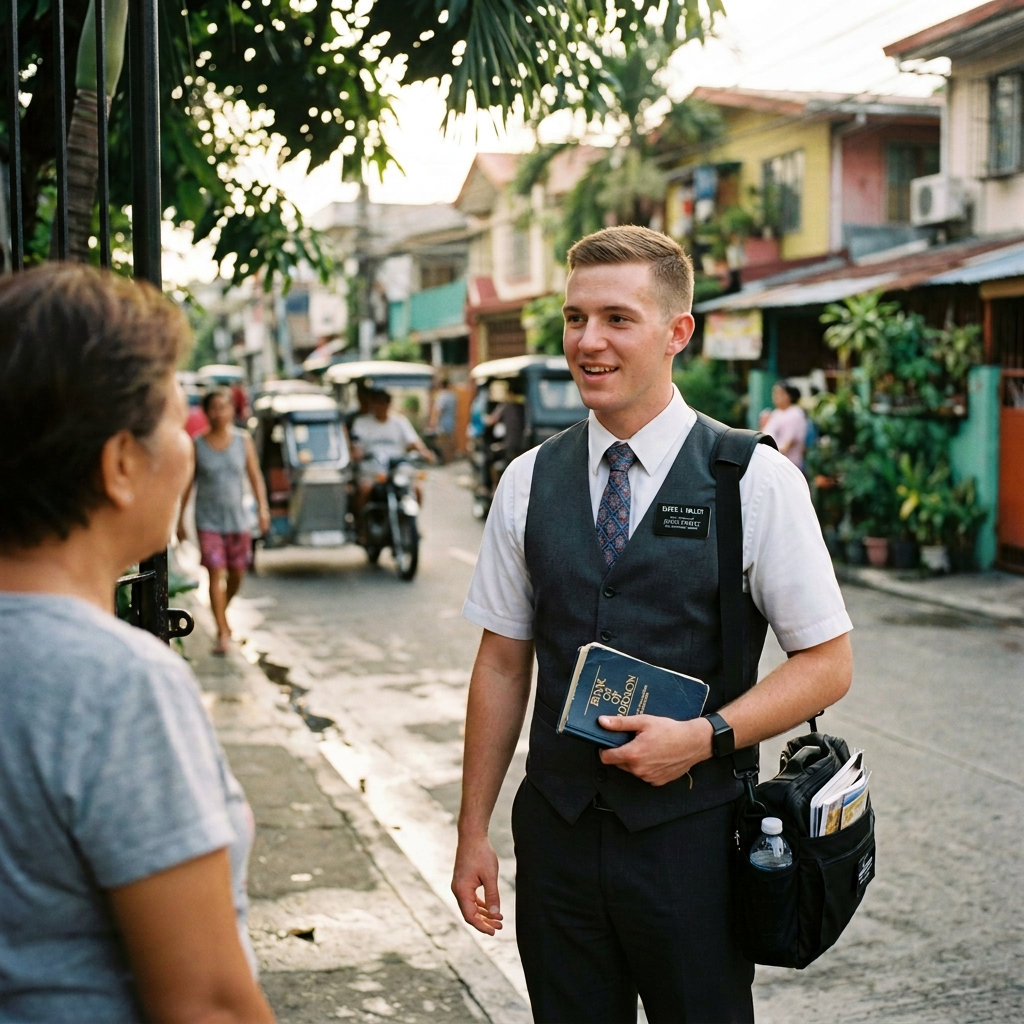
Should we trust LDS Testimonies?
Should a testimony be considered the end-game apologetic for Latter-day Saints? Or should we push back on this defense? Let’s take a closer look at this topic.
-

Does Philippians 2:9-11 Teach Universal Salvation? A Response to Blake Ostler
Blake Ostler argues for universal salvation using Philippians 2:9-11, suggesting all will eventually acknowledge Christ. However, this interpretation misrepresents the text.
-

Modern Translations of Bibles Now Recommended by the LDS Church
In December 2025, the LDS Church officially allowed modern translations of the Bible to be read by its membership. Yet leaders in previous years criticized any translation other than the KJV.
-
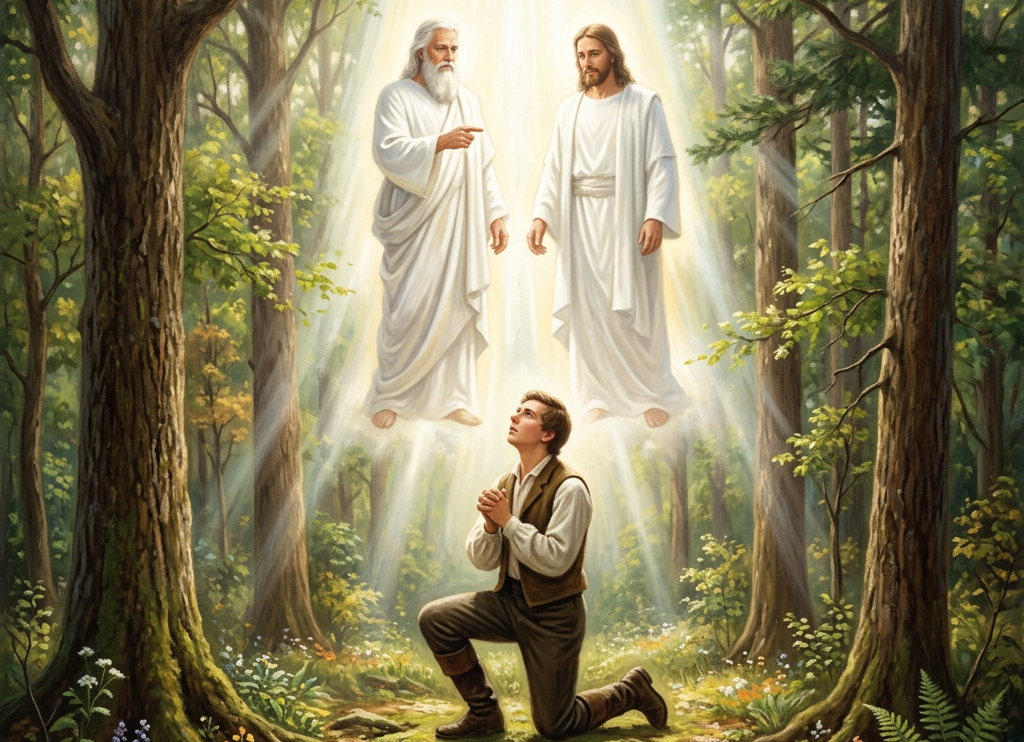
Why did President Hinckley use the word “blasphemy”?
The importance of the “First Vision” that Joseph Smith had of God the Father and Jesus is considered a cornerstone historical event in Mormonism. Should belief in this event be a deal-breaker for Mormons who want to be called “Christian”?
-

Should Mormonism’s Leaders Be Compared to the Apostle Peter?
Converse with Latter-day Saints in recent years and you will very likely be told how they ought to be considered Christian. This is true, they say, because they hold Christ as their Savior. They may also claim to believe in salvation by grace and other doctrines accepted by Evangelical Christians.
-
Struggling With A Loss of Faith?
Struggling in the aftermath of religious betrayal? We hope to offer some understanding and direction.
-
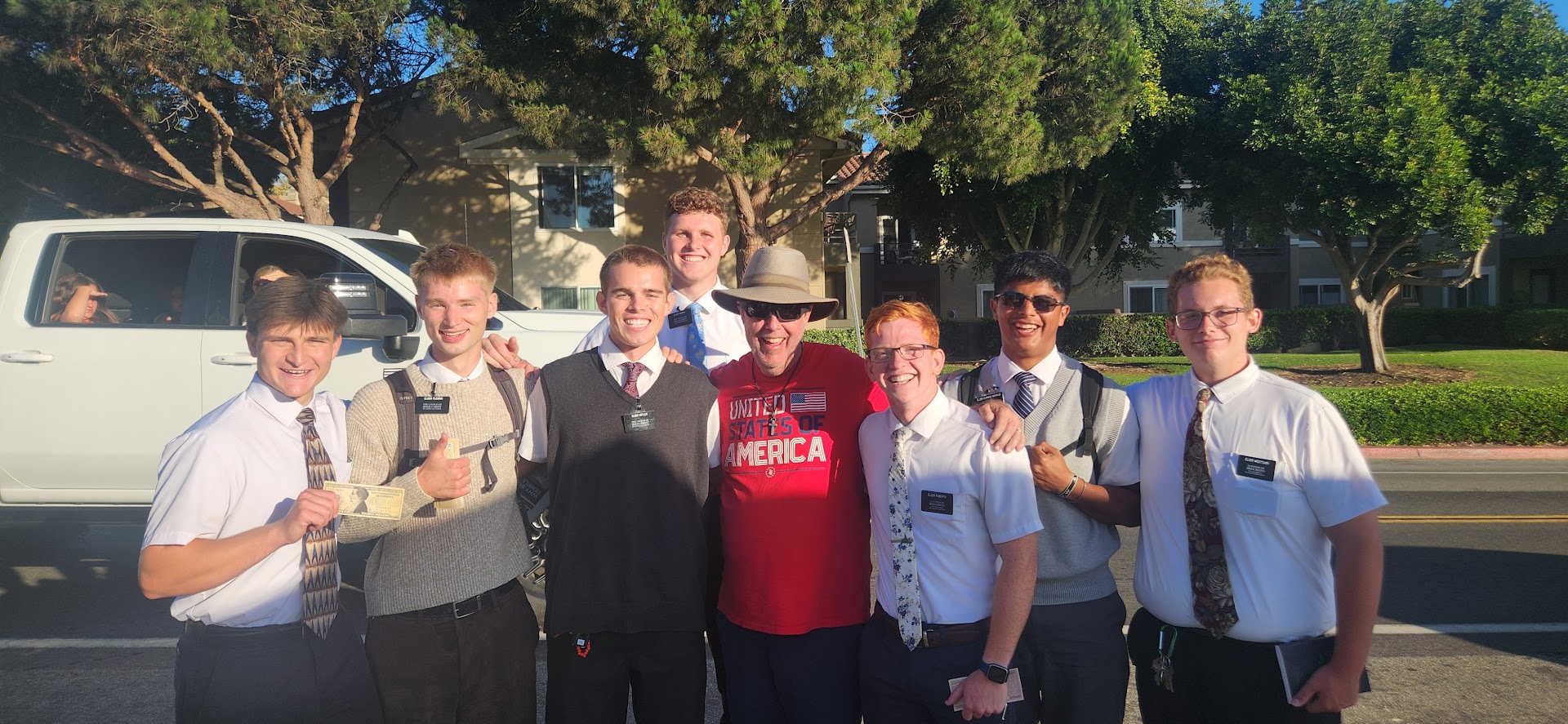
When the Doorbell Rings: Talking to Mormon Missionaries
These encounters are evangelistic opportunities and not something to be dreaded. Christians can have positive conversations that leave the young men or women with something to think about.
-

Should a Christian Date a Mormon?
The Christian and LDS faiths are fundamentally incompatible. Unequally yoked relationships lead to spiritual and relational turmoil.
-
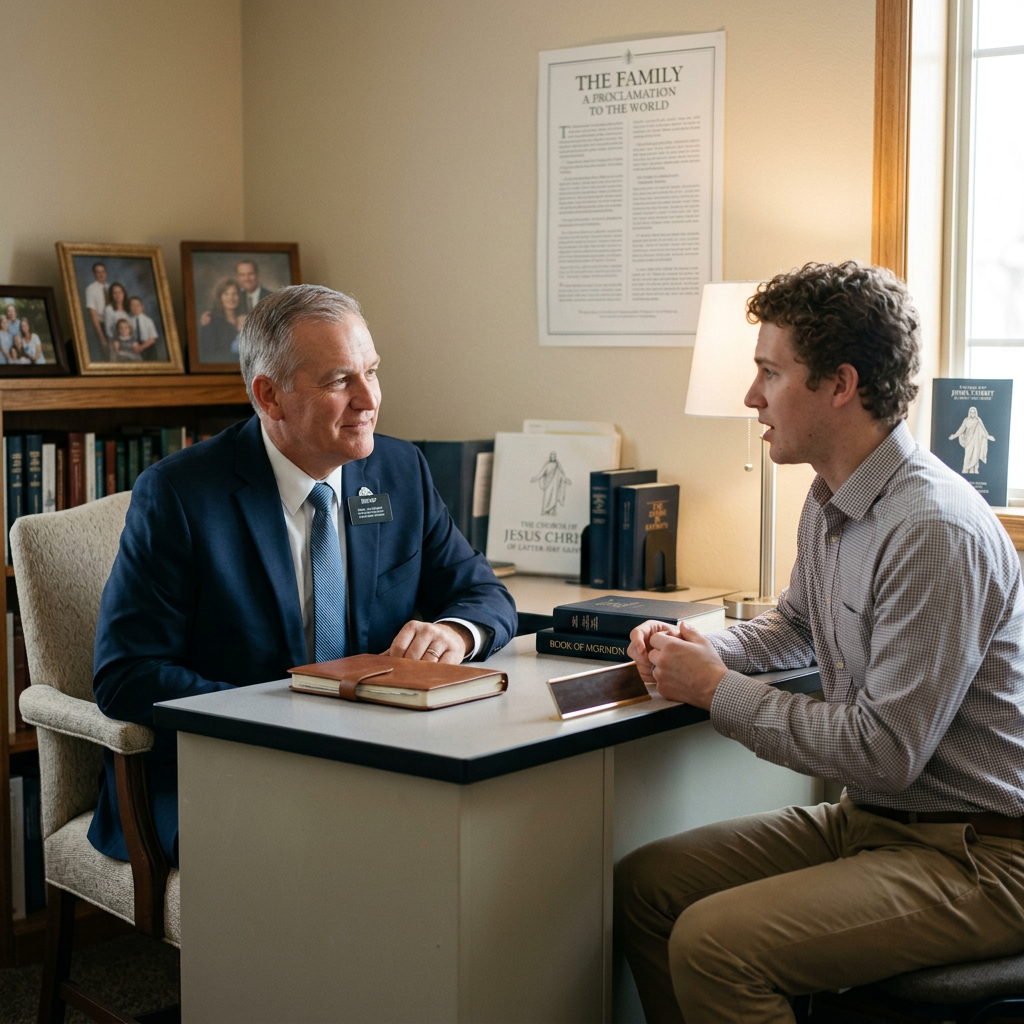
Mormonism and Christianity: What’s the Difference?
Christianity believes in one eternal God and salvation through grace alone, while Mormonism teaches of multiple gods and exaltation through worthiness.
Is Temple Marriage Necessary? Part 2 – Viewpoint on Mormonism
Articles
- 10 Reasons Why (27)
- A-Z Glossary (245)
- About MRM (200)
- Christianity (114)
- Christian Testimonies (39)
- Christian Trinity (33)
- Gospel (4)
- Paid Ministry (8)
- Utah Christian History (17)
- Debates (5)
- Evangelism (108)
- Foreign Language Articles (65)
- German Articles (7)
- Portugese Articles (13)
- Russian Articles (6)
- Spanish Articles (41)
- Moral Issues (77)
- Abortion (4)
- Homosexuality (7)
- Polygamy (61)
- Suicide (4)
- Mormon Coffee Blog (2007-2019) (969)
- Mormon Culture (46)
- "Mormon" (15)
- Friendshipping and Dating (4)
- Lying for the Lord (4)
- Utah (13)
- Mormon History (59)
- Mormon Publications (123)
- Mormon Theology (420)
- Adam-God (5)
- Afterlife (57)
- Eternal Increase (6)
- Exaltation (20)
- Outer Darkness (6)
- Three Degrees of Glory (10)
- Baptism (11)
- Eternal Law (4)
- Fall (8)
- Families (12)
- God (107)
- Heavenly Grandfathers (5)
- Heavenly Mother (8)
- Holy Spirit (5)
- Jesus (58)
- Atonement (18)
- Marriages of Jesus (3)
- Virgin Birth (10)
- Lorenzo Snow couplet (6)
- Plurality of Gods (8)
- Marriage and Singlehood (2)
- Preexistence (28)
- Priesthood and Blacks (28)
- Prophetic Fallibility (1)
- Salvation (112)
- Commandments (4)
- Covenants (12)
- Forgiveness (5)
- Grace vs. Works (44)
- Moroni's Promise (4)
- Perfection (9)
- Worthiness (9)
- Word of Wisdom (15)
- Mormonism (572)
- Are Mormons Christians? (32)
- Authority (64)
- General Conference (15)
- Great Apostasy (21)
- Priesthood (18)
- Ex-Mormonism (11)
- General Authorities (255)
- Brigham Young (12)
- Documents and Speeches (32)
- Joseph Smith, Jr. (152)
- Boasting of Joseph Smith (8)
- Death of Joseph Smith (9)
- Emma Smith (6)
- First Vision (24)
- Folk Magic and Seer Stones (10)
- King Follett Discourse (14)
- Prophecies Joseph Smith (7)
- Veneration of Joseph Smith (26)
- Obituaries LDS Leaders (15)
- Islam (7)
- LDS Membership Statistics (11)
- LDS Quotations (57)
- Mormon Apologists (2)
- Mormon Testimony (12)
- Mormonism in the News (63)
- Public Figures (LDS) (54)
- Glenn Beck (10)
- Mitt Romney (26)
- Richard Mouw (13)
- Roman Catholicism (2)
- Splinter Groups (23)
- Tithing (9)
- Photos (LDS) (17)
- Rebuttals and Rejoinders (262)
- Reviews of LDS Media (220)
- Book Reviews (90)
- Movie Reviews (26)
- Reviews of LDS Media (220)
- Standard Works (282)
- Bible (157)
- Bible Archaeology (20)
- Bible Translation (12)
- Bible Transmission (1)
- Bible Verses (91)
- Joseph Smith Translation / Inspired Version (7)
- Book of Abraham (12)
- Book of Mormon (102)
- Doctrine and Covenants (4)
- Witnessing with LDS Scripture (6)
- Bible (157)
- Temples (87)
- Baptism for the Dead (12)
- Temple Ceremonies (26)
- Temple Garments (7)
- Temple Open House Events (11)
- Truth and Inquiry (19)
- Uncategorized (11)